
Two wood veneer samples can look similar on a showroom table, yet lead to very different project quotations. The difference becomes clearer when those samples turn into a full kitchen, a wall of wardrobes or a coordinated interior.
Wood veneer prices reflect more than the timber species. Material selection, grain matching, veneer thickness, panel construction, finishing and fabrication all contribute to the final cost.
For builders, architects and interior designers, understanding these factors makes it easier to compare quotations and decide where a higher specification will add value.
Before comparing prices, establish exactly what surface each supplier is quoting. These three categories can create a similar overall colour scheme, but their composition and visual character differ.
Natural wood veneer is a thin layer of timber sliced or peeled from a log. It retains the grain patterns and colour variations of the original wood.
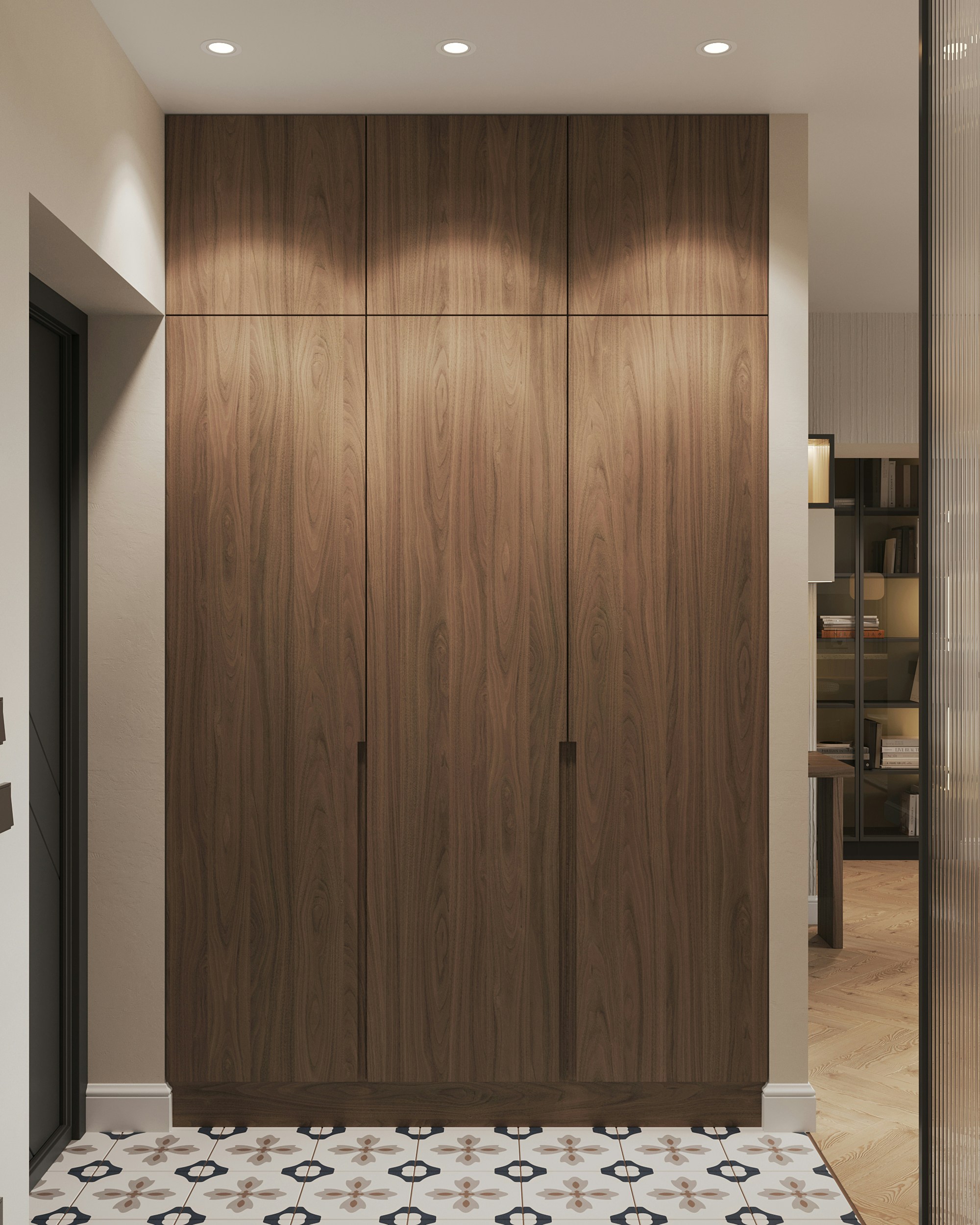
Oak and walnut veneers are familiar choices for cabinetry, wall panels and interior doors. Their appeal lies in the individual character of the timber: subtle changes in grain and tone bring variation to a finished space.
That variation also requires careful selection. A small sample shows the design direction, while a larger veneer layout reveals how the material will work across adjacent panels.
Engineered wood veneer, also called reconstituted veneer, is made from real wood that is processed, often dyed, assembled into blocks and sliced again to create controlled patterns.
This approach offers more repeatable grain and colour, making it useful when a project calls for a consistent appearance across multiple rooms or repeated cabinetry units. It is distinct from a printed wood-look surface.
Engineered veneer should be assessed by its specific product specification. Its category alone does not establish whether it will perform better or worse than a natural veneer.
Wood-look finishes include printed melamine surfaces, decorative laminates and films that reproduce timber patterns.
They offer a broad choice of colours and textures, and can be practical options where repeatability, maintenance and budget are priorities. Performance varies between products, so scratch resistance, moisture suitability and cleaning requirements should be checked individually.
Start with the material description on the quotation. A wood-like appearance does not tell you how the surface is made.
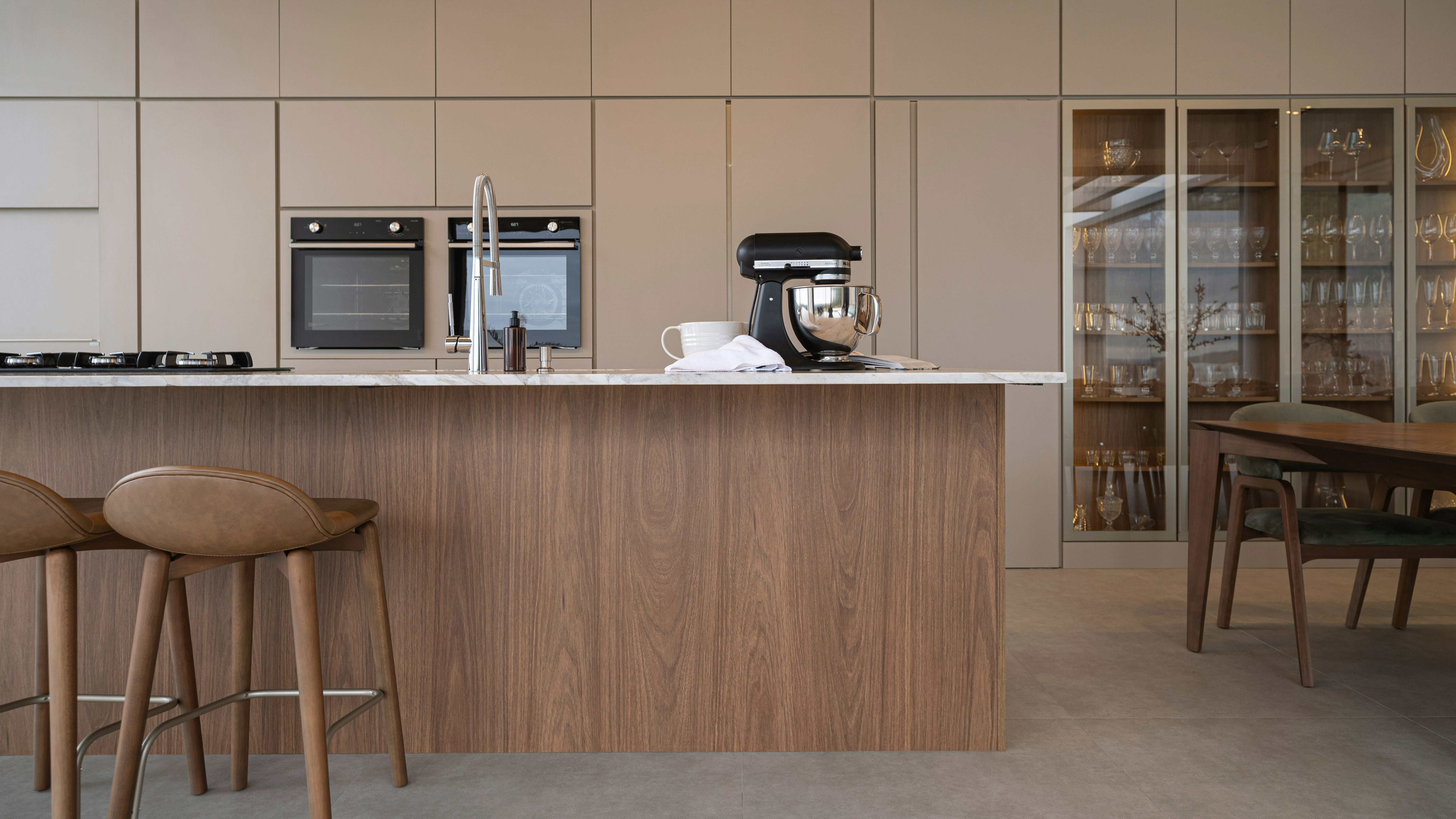
A species name such as “oak veneer” is only the starting point.
Within the same species, quotations may reflect different colour ranges, grain patterns, permitted natural features and sheet dimensions. Selecting enough veneer for a tightly coordinated interior can require more sorting and reduce the amount of material suitable for that particular design.
Cutting method also changes the appearance. Plain-sliced veneer commonly produces cathedral-like patterns, while quarter-cut veneer generally creates straighter grain, sometimes with prominent figuring depending on the species.
For a useful comparison, specify the intended grain character and acceptable variation alongside the species.
Grain matching is one of the most visible reasons for a difference in finished cabinetry costs.
Common approaches include:
Book matching and slip matching describe how veneer leaves meet within a surface; sequence matching addresses the relationship between panels.
For a wardrobe or feature wall, the layout should also account for door divisions, drawer fronts and panel joints.
For example, a walnut cabinet with individually selected fronts may have a different fabrication cost from one requiring coordinated grain across every door and drawer. The latter needs additional planning, material allocation and identification during production.
If grain continuity matters to the design, show it on the drawings and include it in the quotation.
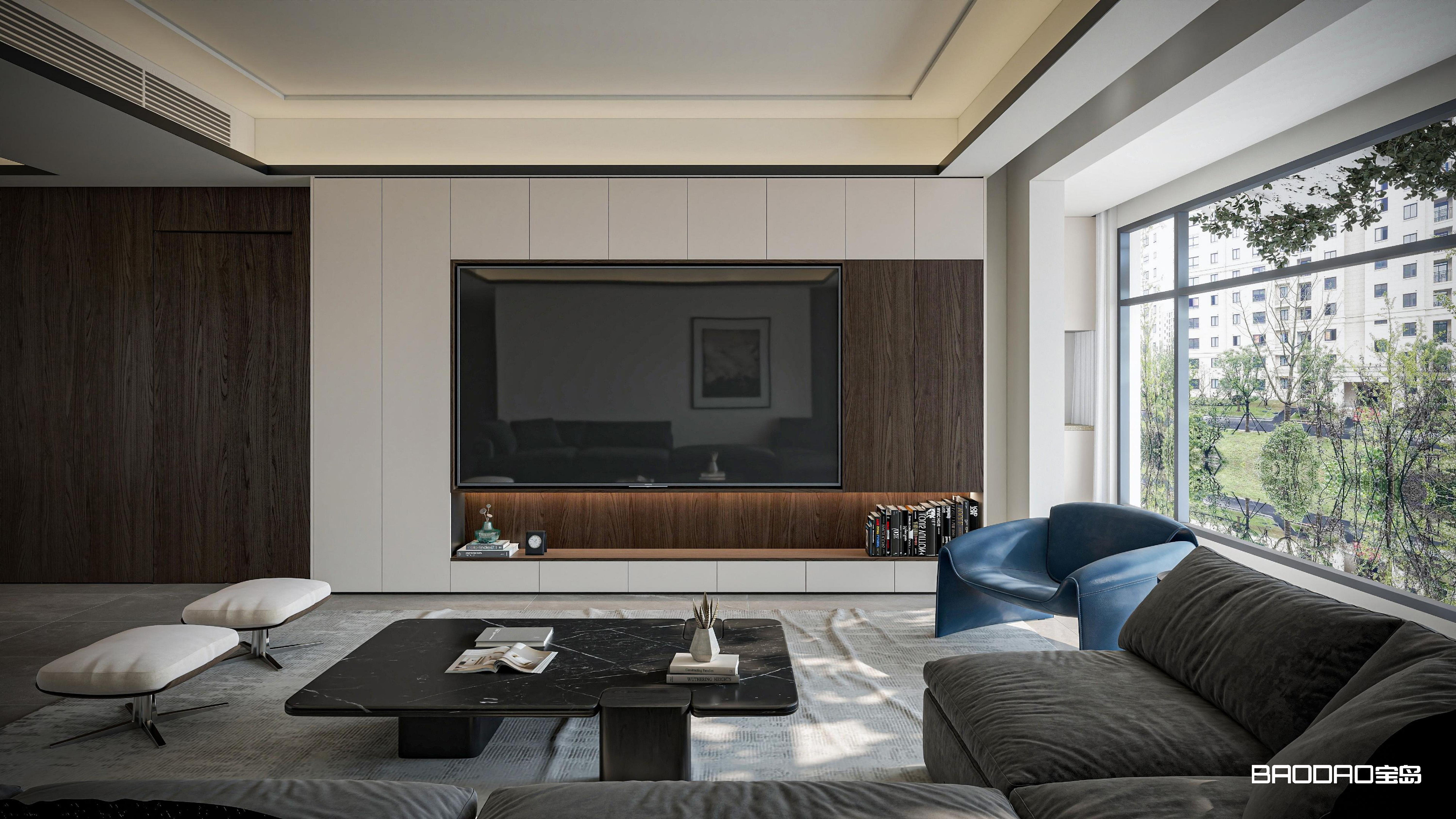
Veneer thickness matters during fabrication and when considering future repairs.
A thicker veneer can provide more allowance for sanding, but thickness alone does not determine surface durability or appearance. The coating, substrate, bonding quality and intended use also need consideration.
Refinishing should never be assumed. Its feasibility depends on the remaining veneer thickness, the existing finish and the extent of any damage.
Ask the supplier to state the veneer thickness separately from the overall panel thickness.
The visible veneer is one part of the finished panel. Its performance also depends on the board underneath and how the layers are assembled.
When evaluating wood veneer cabinets, review:
For kitchens and bathroom vanities, discuss the actual exposure conditions. A cabinet beside a basin has different requirements from a wardrobe in a dry bedroom.
A premium veneer face cannot, by itself, establish that the complete panel is suitable for moisture exposure.
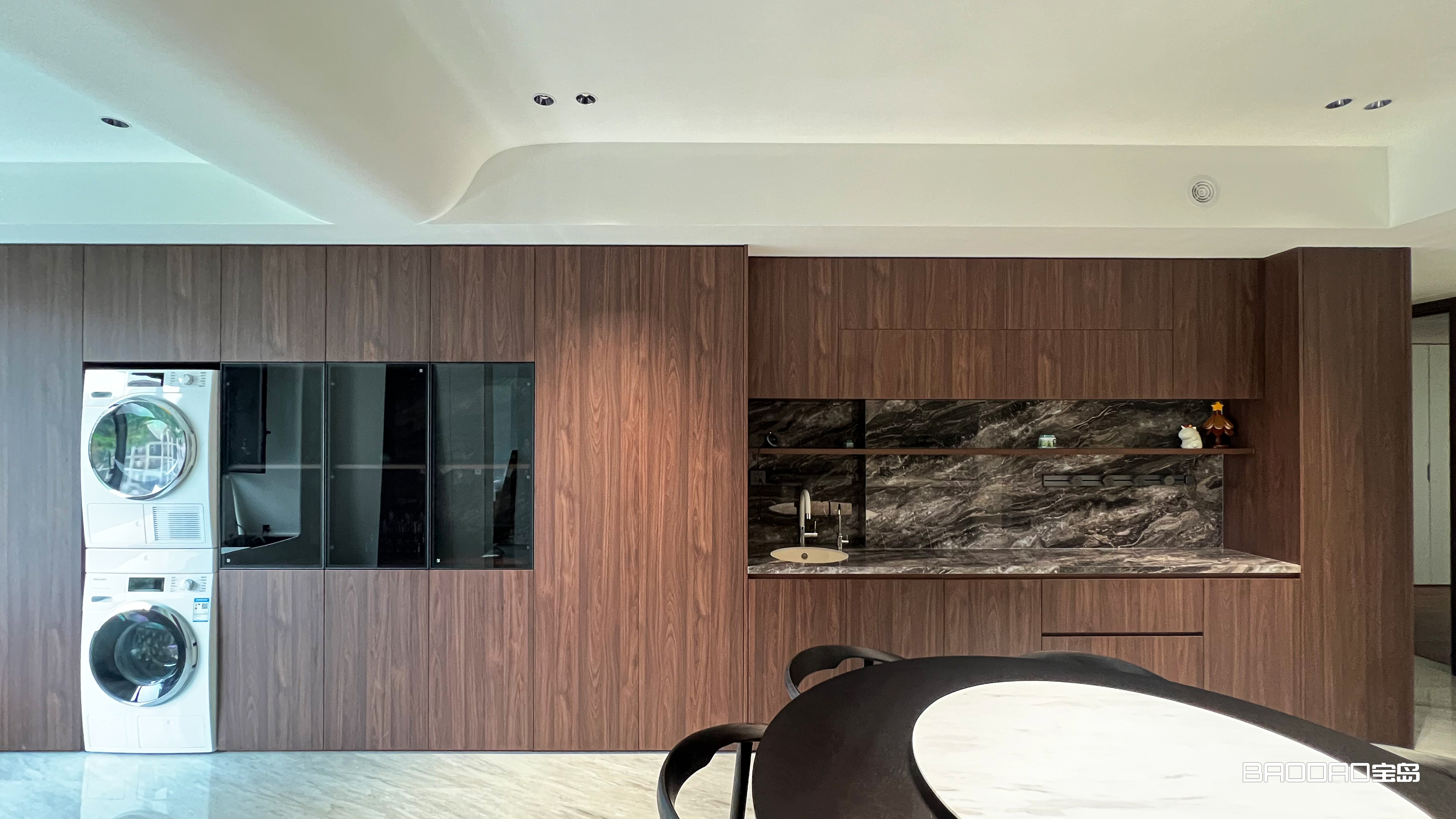
The same veneer can look noticeably different after finishing.
An open-pore finish retains a more pronounced expression of the timber’s pores. A closed-pore finish fills the pores to produce a smoother surface. Gloss level is a separate choice: a smooth finish can still be matt.
Custom staining, colour development, surface preparation and additional finishing stages can all affect cost.
Review a finished sample under lighting representative of the project. Check the colour, texture and sheen together, particularly when veneer will sit beside stone, painted cabinetry or flooring.
Where a supplier quotes a hardness or scratch-resistance rating, ask which finished product was tested and which test method was used.
Flat cabinet fronts, curved panels and integrated wall systems involve different fabrication requirements.
A design may require:
These requirements should be defined before production. Changes to panel dimensions or door divisions can affect an already planned veneer layout.
In whole-house cabinetry, part of the cost comes from coordinating individual components so they work together in the completed interior.
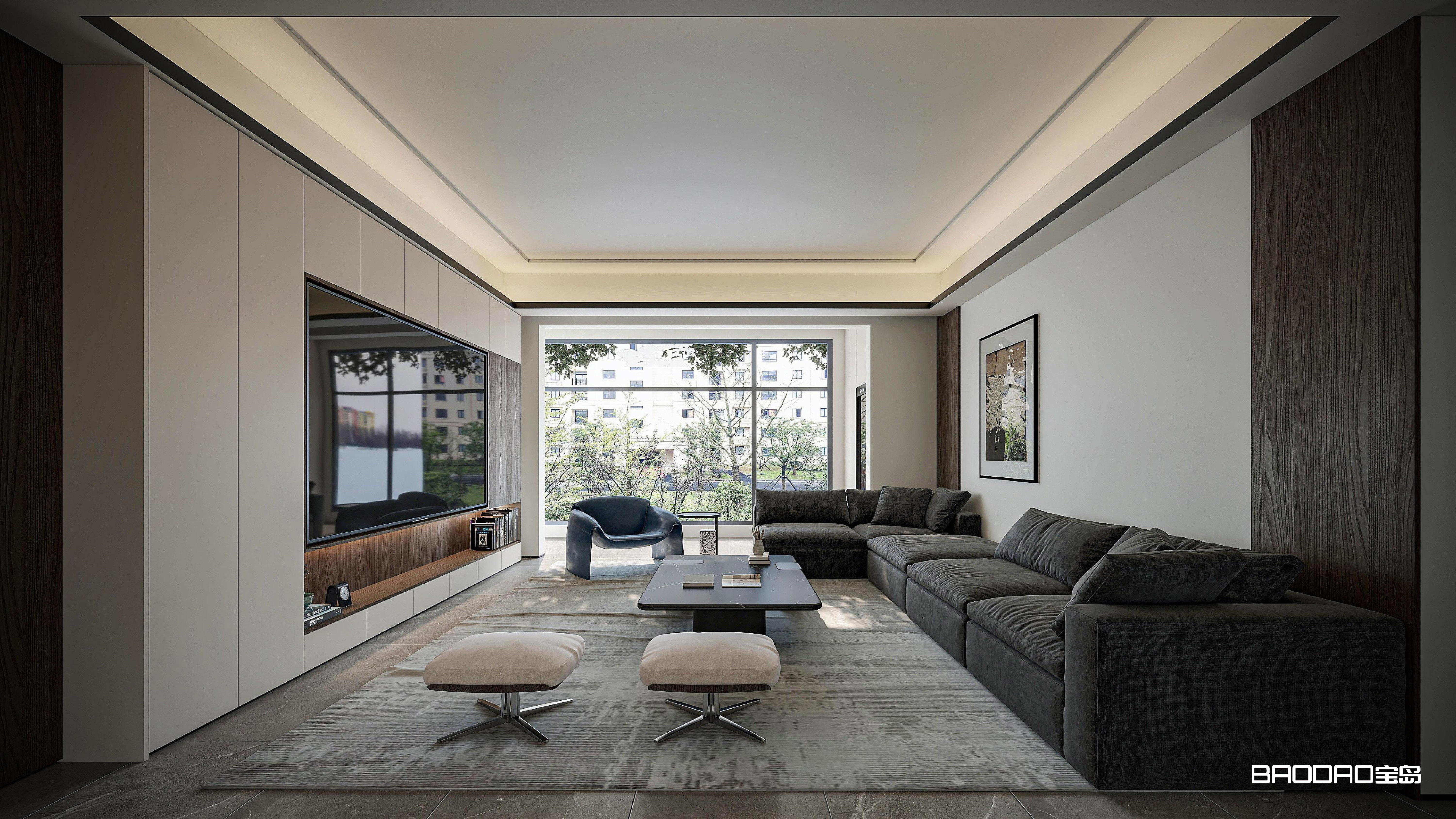

Allocate the budget according to visibility, use and design intent.
A prominent kitchen island, entrance wall or living-room cabinet may justify more selective veneer and detailed grain matching. These are surfaces where people see the material at close range and across a wider composition.
Inside wardrobes or in secondary storage areas, a suitable decorative finish may meet the brief at a lower cost.
For projects with repeated room layouts, engineered veneer may be worth comparing where controlled grain and colour are priorities.
A mixed material specification can work well. Review the transitions between materials so that the finished interior remains coordinated.
A quotation that says only “wood veneer finish” leaves too much open to interpretation.
Before approving an order, confirm:
Compare the same quantities, dimensions, pricing units and supply scope. A raw veneer sheet price cannot be compared directly with the price of a finished cabinet door.
A higher price may reflect selective timber, detailed matching, a custom finish or more complex fabrication. Ask the supplier to identify the specification behind the difference and consider whether it benefits your project.
A sample establishes the intended colour and finish, but natural timber varies. Agree an acceptable range of variation and review larger samples or panel layouts where consistency is especially important.
It can be specified for suitable cabinetry applications when the complete panel construction, finish and detailing are appropriate. Confirm the manufacturer’s requirements for moisture exposure, ventilation, cleaning and maintenance.
Baodao Home manufactures custom cabinetry for kitchens, wardrobes, living spaces and coordinated whole-house interiors. Our material collection includes natural veneer options such as oak and walnut alongside other decorative finishes.
For veneer projects, our production process includes moisture checks, colour grading and grain-direction planning. These steps help us manage natural variation and coordinate panels with the approved design.
When discussing your project, we recommend reviewing the veneer selection, finished sample and cabinetry elevations together. This gives the design and production teams a clearer understanding of the intended result.
Block Quote